

Published by Affinity Medical Clinics
Why chronic disease prevention belongs in workplace health programs
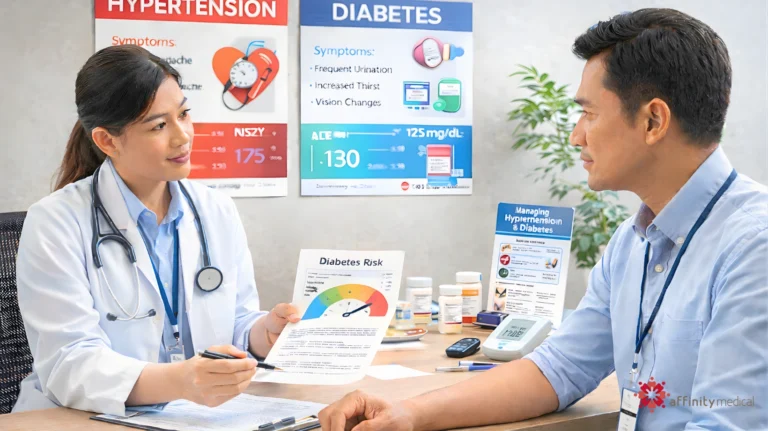
A workplace health consultation where a Filipina doctor guides an employee on managing hypertension and diabetes through education and preventive care.
Why Hypertension and Diabetes Matter in the Workplace
Hypertension (high blood pressure) and diabetes are among the most common chronic health conditions affecting Filipino adults, particularly those in the working population. While these conditions are often viewed as personal health issues, their impact extends directly into the workplace — affecting attendance, productivity, safety, and long-term healthcare costs.
For employers, understanding how these conditions affect the workforce is an essential part of responsible occupational health management.
The Growing Burden of Chronic Disease Among Filipino Workers
In the Philippines, many adults are diagnosed with hypertension or diabetes during routine medical exams, often without prior symptoms. Sedentary work environments, long working hours, irregular meals, stress, and limited physical activity contribute significantly to this trend.
What makes these conditions particularly challenging is that:
- They often develop silently
- Symptoms may appear only after complications arise
- Many employees remain undiagnosed or undertreated
From a workplace perspective, this means health risks may go unnoticed until they affect performance or lead to medical emergencies.
Understanding Hypertension
What Is Hypertension?
Hypertension occurs when blood pressure remains consistently elevated, increasing the risk of:
- Heart disease
- Stroke
- Kidney disease
- Vision problems
Many individuals with hypertension feel perfectly well, which is why it is often called a “silent condition.”
Workplace Implications
Uncontrolled hypertension can lead to:
- Fatigue and headaches
- Reduced concentration
- Increased risk during physically demanding or safety-sensitive jobs
- Higher likelihood of medical emergencies at work
Understanding Diabetes
What Is Diabetes?
Diabetes is a condition in which the body has difficulty regulating blood sugar levels. Over time, poorly controlled diabetes can lead to complications affecting the heart, kidneys, nerves, and eyes.
Workplace Implications
For employees, diabetes may affect:
- Energy levels and alertness
- Absenteeism due to medical appointments or complications
- Safety in roles requiring sustained focus or physical coordination
In some cases, undiagnosed diabetes is discovered only after an employee experiences symptoms such as dizziness, excessive thirst, or unexplained fatigue while at work.
Why These Conditions Matter to Employers
From an occupational health standpoint, hypertension and diabetes are relevant because they:
- Increase absenteeism and presenteeism
- Raise the risk of workplace medical incidents
- Affect productivity and morale
- Increase long-term healthcare and insurance costs
More importantly, unmanaged chronic disease can quietly undermine a workforce’s overall health — even when no immediate issues are visible.
The Role of Workplace Health Programs
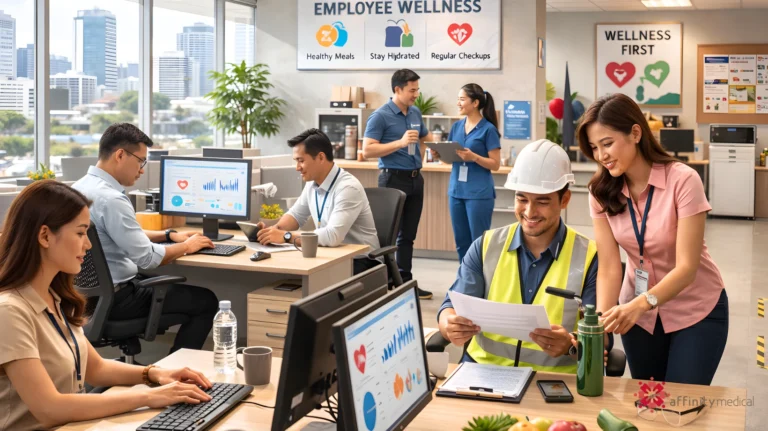
A modern Filipino workplace fostering productivity and employee wellness through collaboration and health-focused initiatives.
Early Detection Through Medical Exams
Regular pre-employment and annual medical examinations play a critical role in identifying employees at risk. Early detection allows:
- Timely medical referral
- Better disease control
- Reduced risk of complications
Many employees first learn they have hypertension or diabetes during company-initiated health assessments.
Health Education and Awareness
Simple education initiatives — such as short talks or informational materials — help employees understand:
- The importance of regular monitoring
- Lifestyle factors affecting blood pressure and blood sugar
- When to seek medical care
Awareness alone can significantly improve health outcomes.
Supportive Workplace Policies
Employers can support affected employees by:
- Encouraging medical follow-ups
- Allowing flexibility for check-ups when necessary
- Promoting healthy food choices and physical activity where possible
- Avoiding stigma around chronic illness
Supportive policies help employees manage their conditions while remaining productive and engaged.
Prevention Is a Shared Responsibility
While lifestyle choices are personal, the workplace environment strongly influences daily habits. Employers who invest in preventive health measures often see:
- Healthier, more resilient teams
- Fewer medical disruptions
- Improved employee loyalty and retention
Preventive care is not about controlling personal health decisions — it’s about creating conditions that support better health outcomes.
How Affinity Medical Clinics Supports Workforce Health
At Affinity Medical Clinics, we work with companies to integrate chronic disease prevention into occupational health programs through:
- Pre-employment and annual medical exams
- Health risk assessments
- Workplace health education
- On-site medical support and monitoring
- Guidance on managing fitness-to-work considerations
Our approach focuses on early detection, practical intervention, and long-term wellbeing, aligned with workplace realities.
A Healthier Workforce Is a Stronger Workforce
Hypertension and diabetes are common, manageable, and preventable with the right systems in place. When employers take a proactive role in supporting employee health, the benefits extend beyond compliance — they shape a safer, more sustainable workplace.
For guidance on workplace health programs and preventive care, Affinity Medical Clinics is ready to support your organization.